

Pregnancy Meal Planning Best Practices for New Moms
Índice
- 1. What key nutrients should you prioritize each trimester?
- 2. How meal timing and portion size support pregnancy comfort
- 3. Healthy snack examples and meal prep strategies
- 4. How to adapt your meal plan to a plant-based diet
- 5. Common pitfalls first-time moms should avoid
- 6. Using pregnancy nutrition apps and digital tools
- Key Takeaways
- What I’ve learned from working with expecting mothers on nutrition
- Personalized pregnancy nutrition support from Boy or Girl
- FAQ
- Recommended
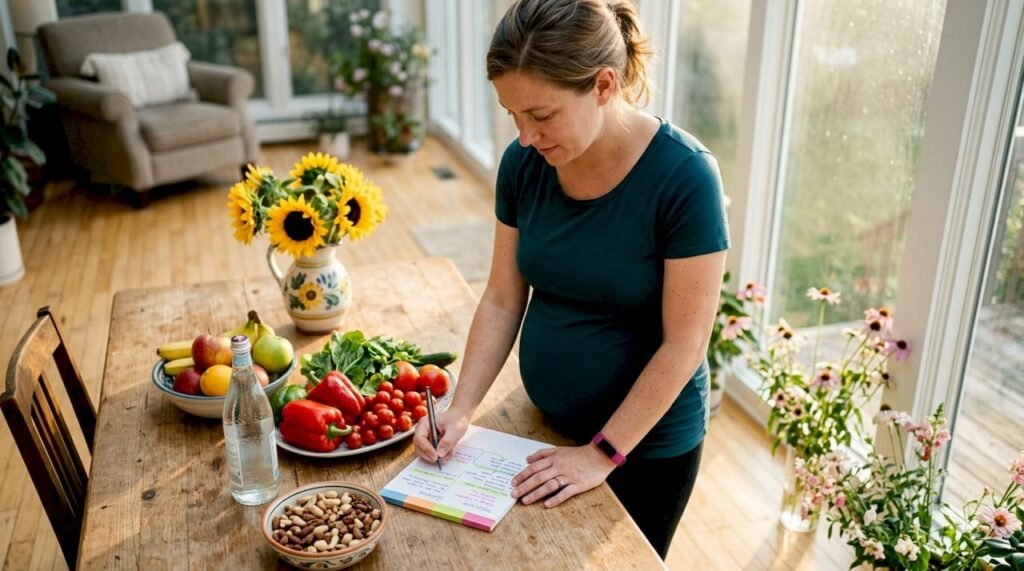
Pregnancy meal planning best practices are defined as trimester-specific nutrition strategies that align your daily food choices with the changing needs of your growing baby. A well-structured prenatal diet, also called a pregnancy nutrition plan, covers key nutrients like protein, iron, folate, choline, and iodine across all three trimesters. The 2026 NIDDK and ODP/HHS guidelines name these five nutrients as the most critical for maternal and fetal health. Getting them right from the start gives your baby the best foundation possible.
1. What key nutrients should you prioritize each trimester?
Nutrient needs shift significantly as your pregnancy progresses. The first trimester focuses on folate and choline for neural tube development. The second and third trimesters demand more iron, protein, and iodine as your baby grows rapidly.
Daily requirements rise to 600 mcg of folate, 27 mg of iron, and 450 mg of choline during pregnancy. These numbers are meaningfully higher than pre-pregnancy levels, which is why food alone often falls short without careful planning.
Key nutrients to track by trimester:
- Folate (as 5-MTHF): Supports neural tube closure in weeks 3–6. The active form 5-MTHF absorbs better than standard folic acid supplements, making it the preferred choice for prenatal vitamins.
- Iron: Supports increased blood volume and prevents anemia. Your need jumps to 27 mg daily.
- Choline: Critical for brain development. Eggs and beef liver are the richest food sources.
- Iodine: Supports thyroid function and fetal brain development. Dairy, seafood, and iodized salt are reliable sources.
- Protein: Builds fetal tissue and supports your own body’s changes. Aim for lean meats, legumes, eggs, and dairy.
- Omega-3 DHA: Supports fetal brain and eye development. Seafood up to 12 ounces per week from low-mercury sources like salmon and sardines covers this need safely.
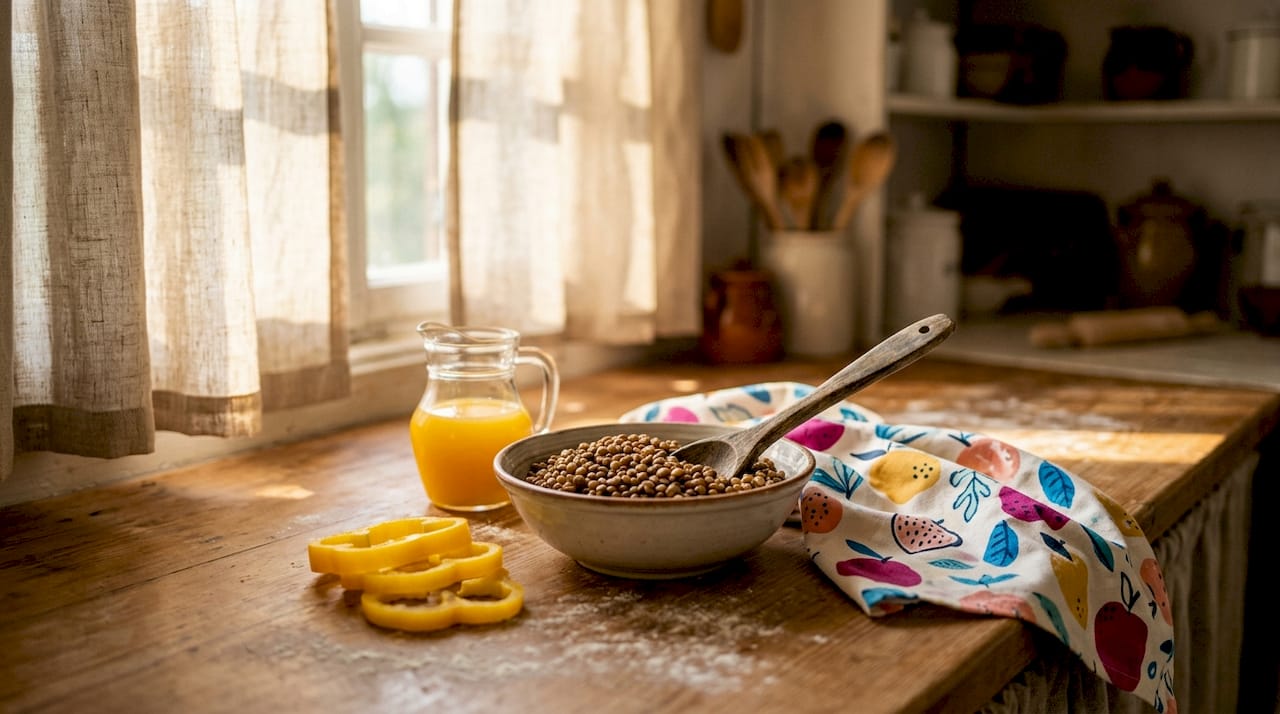
Pro Tip: Pair non-heme iron foods like spinach or lentils with a vitamin C source like bell peppers or orange juice. Vitamin C enhances iron absorption and reduces your risk of deficiency, especially in the second and third trimesters.
2. How meal timing and portion size support pregnancy comfort
Eating frequency matters as much as what you eat. Small, frequent meals every 3–4 hours reduce heartburn and nausea, two of the most common complaints in the first trimester. Smaller portions also prevent the stomach pressure that worsens reflux as your uterus expands.
Avoid lying down within 30 minutes of eating. Staying upright after meals keeps stomach acid where it belongs and reduces discomfort significantly.
Practical timing strategies that work:
- Eat breakfast within 30 minutes of waking to stabilize blood sugar.
- Space snacks between meals rather than skipping them.
- Avoid large meals in the evening when digestion slows.
- Drink most of your fluids between meals, not during them, to avoid feeling too full to eat.
Caffeine and certain teas consumed during meals inhibit iron absorption. Drink coffee or black tea at least one hour before or after meals to protect your iron levels.
Pro Tip: Keep dry crackers or plain toast on your nightstand. Eating a few bites before getting out of bed stabilizes blood sugar and significantly reduces morning nausea before it starts.
3. Healthy snack examples and meal prep strategies
Consistent snacking is one of the most underrated tools in healthy eating during pregnancy. The right snacks maintain steady energy, prevent blood sugar dips, and fill nutrient gaps between meals. Healthy pregnancy snacks include yogurt with fruit, whole-grain crackers with peanut butter, and carrots with hummus.
Each of these options combines protein, fiber, and healthy fats. That combination keeps you full longer and supports consistent nutrient delivery to your baby throughout the day.
Meal prep for expecting mothers reduces the daily decision fatigue that comes with pregnancy. Batch cooking grains, roasting vegetables, and portioning snacks on Sundays means you always have something nutritious ready, even on days when fatigue or nausea makes cooking feel impossible.
Snacking dos and don’ts:
- Do choose snacks with at least one protein source.
- Do keep pre-cut vegetables and portioned nuts in the fridge for easy access.
- Do adjust snack choices by trimester. Bland options like crackers work better in the first trimester; protein-rich options like Greek yogurt become more important in the third.
- Don’t rely on processed snacks high in added sugar, even when cravings hit.
- Don’t skip snacks to manage weight. Caloric needs increase after the first trimester, and under-eating affects fetal growth.
- Don’t eat the same two or three snacks every day. Variety covers more micronutrients.
You can also check out nutrition tips for social eating during pregnancy if parties or gatherings make sticking to your plan harder.
4. How to adapt your meal plan to a plant-based diet
A plant-based pregnancy meal plan works well when planned carefully. Beans, lentils, tofu, and nuts effectively meet pregnancy protein needs when eaten in variety throughout the day. The key word is variety. No single plant food covers all essential amino acids in the amounts pregnancy requires.
Supplementation fills the gaps that plant foods cannot. B12, DHA, and choline require supplementation for most people following vegan or vegetarian diets during pregnancy. DHA from algae oil is a reliable non-fish source that supports fetal brain development.
Additional nutrients to watch on a plant-based plan:
- Calcium: Fortified plant milks, tofu made with calcium sulfate, and leafy greens like bok choy.
- Iodine: Iodized salt and seaweed (in moderate amounts). Many plant milks are not iodized, so check labels.
- Iron: Lentils, chickpeas, pumpkin seeds, and fortified cereals. Always pair with vitamin C.
- Zinc: Hemp seeds, cashews, and oats. Soaking legumes before cooking improves zinc absorption.
Pro Tip: Work with a prenatal registered dietitian if you follow a plant-based diet. A personalized plan reviewed regularly by a healthcare professional matches your evolving nutrient demands trimester by trimester and removes the guesswork from supplementation.
5. Common pitfalls first-time moms should avoid
The most common mistake in pregnancy nutrition is not eating too little. It is eating the wrong things too consistently. Excessive sweets and saturated fats crowd out the nutrient-dense foods your baby needs most. A cookie here and there causes no harm. A diet built around processed foods does.
Food safety is a separate and serious concern. Raw or undercooked fish, unpasteurized dairy, and deli meats pose real risks of foodborne illness during pregnancy. Listeria and salmonella carry higher risks for pregnant women than for the general population.
Other pitfalls to avoid:
- Skipping meals because of nausea. Eating something small, even crackers, is always better than nothing.
- Drinking caffeine with meals. This directly reduces iron absorption at a time when your iron needs are at their highest.
- Neglecting fiber and water. Constipation is extremely common in pregnancy and worsens when fiber and fluid intake drop.
- Self-prescribing supplements without guidance. High doses of fat-soluble vitamins like A and D can cause harm. Always consult your healthcare provider before adding supplements to your routine.
Checking in with your provider about weight changes during pregnancy is also worth doing if you notice unexpected shifts in either direction.
6. Using pregnancy nutrition apps and digital tools
Pregnancy nutrition apps and digital tools make it easier to track nutrients, plan meals, and stay consistent across trimesters. A good pregnancy nutrition app logs your daily intake against trimester-specific targets, flags nutrient gaps, and suggests meal ideas based on your dietary preferences. These features are especially useful for first-time mothers who are learning prenatal nutrition from scratch.
When evaluating any pregnancy meal planning app, look for these features:
- Trimester-specific nutrient targets, not just generic daily values.
- A food database that includes whole foods, not just packaged products.
- The ability to log water intake alongside food.
- Personalization options for dietary restrictions like vegetarian, vegan, or gluten-free.
Boy or Girl offers tools built specifically for expectant mothers, including personalized diet guidance tied to your stage of pregnancy. The platform connects you with expert resources and a supportive community, so you are never figuring out your nutrition plan alone. Tracking your baby’s development week by week, such as at week 12 or week 18, also helps you understand why your nutritional needs shift at each stage.
Key Takeaways
Pregnancy meal planning best practices require trimester-specific nutrient targets, consistent meal timing, and careful food safety habits to support both maternal health and fetal development.
| Point | Details |
|---|---|
| Prioritize five core nutrients | Focus on protein, iron, folate (as 5-MTHF), choline, and iodine throughout all three trimesters. |
| Eat every 3–4 hours | Small, frequent meals reduce nausea, heartburn, and blood sugar dips during pregnancy. |
| Pair iron with vitamin C | Eating non-heme iron foods alongside vitamin C-rich foods significantly improves iron absorption. |
| Plant-based diets need supplements | B12, DHA, and choline require supplementation on vegan or vegetarian pregnancy diets. |
| Avoid high-risk foods | Raw fish, unpasteurized dairy, and deli meats carry elevated foodborne illness risks during pregnancy. |
What I’ve learned from working with expecting mothers on nutrition
Most first-time mothers come to us thinking pregnancy nutrition means eating perfectly every single day. That pressure is real, and it is also unnecessary. What actually works is building a flexible routine around a few non-negotiable nutrients and letting the rest follow naturally.
The mothers who struggle most are the ones who try to overhaul everything at once. The ones who thrive pick two or three changes per trimester and build from there. In the first trimester, that might mean adding a folate-rich food to breakfast and keeping crackers nearby for nausea. In the second, it might mean adding a protein-rich snack in the afternoon. Small, consistent shifts compound into a genuinely nutritious diet by the third trimester.
Listening to your body matters more than any meal plan template. Cravings are not always meaningful, but aversions often are. If you cannot stomach meat in the first trimester, lean into eggs, legumes, and dairy instead. Your body is not sabotaging you. It is adapting. Work with it, not against it.
The emotional side of eating during pregnancy is real too. Food guilt, body image concerns, and social pressure around eating all affect how mothers nourish themselves. A supportive community and access to expert guidance make a measurable difference. You do not have to figure this out alone.
Personalized pregnancy nutrition support from Boy or Girl
Knowing what to eat is one thing. Having the right tools and support to follow through is another.
Boy or Girl brings together personalized diet guidance, expert consultations, and a caring community of mothers who understand exactly what you are going through. Whether you are building your first pregnancy nutrition plan or adjusting your diet for the second trimester, the Boy or Girl pregnancy app gives you trimester-specific resources in one place. You can also browse curated pregnancy product recommendations to support your nutrition goals. Healthy eating during pregnancy is more manageable when you have the right people and tools beside you.
FAQ
What is a pregnancy meal plan?
A pregnancy meal plan is a structured daily eating guide that aligns food choices with trimester-specific nutrient needs, covering protein, iron, folate, choline, and iodine to support maternal and fetal health.
How often should I eat during pregnancy?
Eating small meals every 3–4 hours helps manage nausea and heartburn while maintaining steady nutrient intake throughout the day.
Can I follow a plant-based diet during pregnancy?
Yes. A plant-based pregnancy diet works well when it includes varied protein sources like beans, lentils, and tofu, and is supplemented with B12, DHA, and choline as recommended by a healthcare provider.
What are the best healthy snacks during pregnancy?
Yogurt with fruit, whole-grain crackers with peanut butter, and carrots with hummus are all strong options that combine protein, fiber, and key micronutrients.
Which foods should I avoid during pregnancy?
Avoid raw or undercooked fish, unpasteurized dairy products, and deli meats. These foods carry elevated risks of foodborne illness that are particularly dangerous during pregnancy.
Visita nuestras redes sociales
Recommended
Pregnancy Nesting Instinct Explained for First-Time Moms

Why Maternal Instinct Gender Prediction Works

Pregnancy Announcement Timing Examples: A Real Guide

Why Mobile-First Design Suits Pregnancy Platforms

Pregnancy Milestone Celebrations: Build Your Community

What Is a Pregnancy Wellness Platform? Your Guide