


Connect Single Moms to a Pregnancy Community

Índice
- What types of single mom pregnancy communities are available?
- How to find and join reputable single mom support groups
- What benefits can single moms expect from active participation?
- What logistical obstacles do single moms face, and how can they overcome them?
- Key takeaways
- Why I believe early connection is the most underrated prenatal decision
- How Boy or Girl supports single moms during pregnancy
- FAQ
- Recommended
A single moms pregnancy community is a structured support network where expectant mothers parenting alone share experiences, access resources, and build emotional resilience together. These communities exist in three main formats: facilitated closed groups, 24/7 private online forums, and one-on-one resource navigation services. Each format addresses a different need, from weekly emotional check-ins to immediate answers at 2 a.m. when anxiety spikes. The right community does more than offer advice. It gives you a place where your specific situation is understood without explanation, and where the people around you are walking the same path.
What types of single mom pregnancy communities are available?
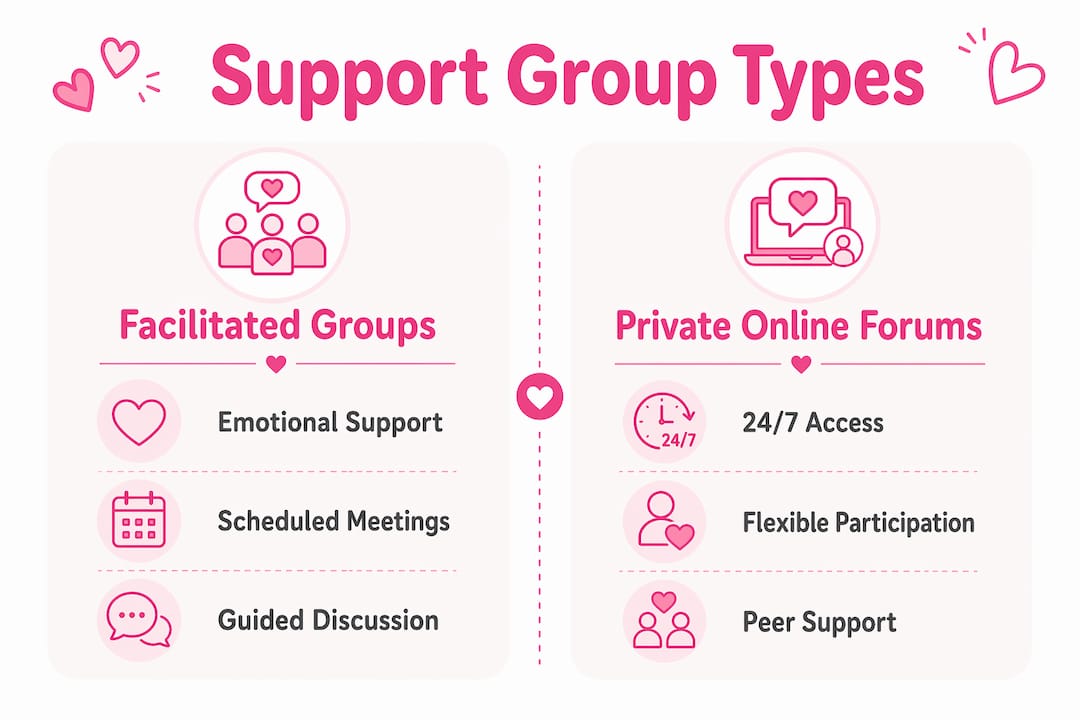
Support for single mothers comes in three distinct formats, and understanding each one helps you choose what fits your life right now.
Facilitated closed groups meet weekly, typically for 60–120 minutes per session. A trained facilitator leads the conversation, which means discussions stay focused and emotionally safe. These groups use a structured format that prevents the kind of unmoderated venting that can cause secondary stress during sensitive pregnancy stages. YWCA BC programs in 2026 confirm that facilitated groups reduce secondary trauma compared to open online forums. The tradeoff is a real time commitment, usually a consistent weekly slot plus occasional events.

Private online discussion forums offer the opposite structure. They run 24 hours a day, 7 days a week, and you participate on your own schedule. These forums work best for single mothers with unpredictable work hours or limited transportation. The key word is private. A closed, members-only forum filters out general parenting noise and keeps conversations relevant to solo pregnancy experiences.
One-on-one resource navigation services pair you with a counselor or advocate who helps you find specific resources, from birth planning support to housing assistance. This format is the most personalized but also the most time-intensive to access. It works best alongside a group format, not as a standalone option.
Hybrid options combining in-person meetings with Zoom access are now common in 2026. These give you flexibility without losing the structure of a facilitated group.
Pro Tip: If you are in your first trimester, start with a private online forum for immediate connection, then add a facilitated group once your schedule stabilizes.
Here is a quick comparison of the three formats:
| Format | Best for | Time commitment | Cost range |
|---|---|---|---|
| Facilitated closed group | Emotional safety, structure | 60–120 min weekly | Free to moderate |
| Private online forum | Flexibility, 24/7 access | Self-paced | Free to $95/year |
| One-on-one navigation | Personalized resource help | Varies | Often free |
How to find and join reputable single mom support groups
Finding a trustworthy single mother support group takes a few deliberate steps. The quality of the group matters as much as its existence.
-
Search local community hubs first. Community centers, churches, and municipal health departments often run free or low-cost groups. These programs use existing infrastructure, which accelerates trust-building and attendance compared to standalone new groups. Ask your OB or midwife for referrals. They often know which local groups have active facilitators.
-
Check national organizations with local chapters. Specialized national organizations offer membership options ranging from free community-based programs to $55–$95 per year. Annual memberships typically include tiered access to private forums, live events, and curated resource libraries. The fee is worth evaluating against what you actually need in the next six months.
-
Understand registration requirements before you commit. Formal pregnancy support programs often require basic demographic information and pre-registered childcare arrangements. Some programs require attending two educational events per trimester and scheduling a one-on-one birth planning session before unlocking material support like baby supplies or financial assistance. Knowing this upfront prevents frustration later.
-
Evaluate facilitator credentials. A good facilitator has training in group dynamics, trauma-informed care, or social work. Ask directly. Reputable programs are transparent about who leads their groups and what qualifications they hold.
-
Assess group size and interaction style. Groups of 6–12 members allow for genuine connection. Larger groups often feel more like lectures than conversations. Ask how many active members participate weekly before you commit.
-
Look for ways to connect beyond the group itself. The best communities extend support between sessions through messaging threads, resource sharing, and peer check-ins.
Pro Tip: Before your first session, write down two or three specific things you want from the group, whether that is childcare advice, emotional support, or practical resources. This helps you evaluate whether the group is actually delivering what you need after the first month.
What benefits can single moms expect from active participation?
Active participation in a pregnancy support network produces measurable emotional and practical results. The key word is active. Passive membership, reading posts without engaging, delivers far less than consistent participation.
The most significant benefit is the reduction of isolation-induced stress. Solo Parent Village facilitators report that shared language and genuine connection reduce this type of stress more effectively than general parenting advice. This matters because isolation during pregnancy is not just uncomfortable. It compounds anxiety and can affect prenatal health decisions.
Practical benefits include access to education, baby supplies, and childcare assistance. Many formal programs tie these resources to engagement milestones, which is why consistent attendance matters. A mother who attends regularly and completes required events unlocks a different level of support than one who joins and disappears.
“Early community involvement leads to better long-term outcomes than waiting until crisis. Community participation should be preemptive, not reactive.” — Unstuck Ministries
Private single-mom-only groups outperform public pregnancy forums for emotional and custody-related concerns. Public parenting forums provide quick answers but lack vetted, specialized support. The recommendation from experienced moderators is to use both. Public forums work for fast factual questions. Private groups handle the emotional weight.
The long-term picture is equally clear. Mothers who connect early in pregnancy report stronger support networks by the time their baby arrives. That network does not appear overnight. It builds through consistent, honest participation over weeks and months.
What logistical obstacles do single moms face, and how can they overcome them?
Logistics stop more single mothers from joining communities than lack of interest does. Knowing the common barriers in advance lets you plan around them.
-
Childcare is the top barrier. Groups that provide free onsite childcare experience higher consistent attendance and lower dropout rates. When evaluating a group, ask about childcare before you ask about meeting topics. If a group does not offer it, ask whether they can connect you with a childcare subsidy or swap arrangement with another member.
-
Transportation limits in-person access. Hybrid groups solve this directly. If your area only offers in-person options, contact the organizer before assuming you cannot participate. Many groups have informal carpooling arrangements or will accommodate a Zoom option for members with transportation barriers.
-
Financial cost can be a real obstacle. Local church and municipal groups are often free. National organization memberships run $55–$95 per year. If cost is a barrier, start with a free local option and add a national membership later when resources allow.
-
No local group exists in your area. This is more common in rural and suburban areas. Unstuck Ministries provides step-by-step guides for churches to launch single mom support groups using existing space and curriculum. If you are connected to a church or community center, this is a concrete path to creating what does not yet exist.
-
Digital access for online communities. Private online forums require a reliable internet connection and a device. Many public libraries offer free Wi-Fi and computer access. If digital access is inconsistent, schedule your forum participation around library hours until your situation changes.
Pro Tip: Childcare logistics determine sustained participation more than financial cost does. Solve the childcare question first, and the rest of the logistics become manageable.
Key takeaways
Connecting early with a single moms pregnancy community reduces isolation, unlocks practical resources, and builds the support network you need before your baby arrives.
| Point | Details |
|---|---|
| Three main formats exist | Facilitated groups, private online forums, and one-on-one navigation each serve different needs. |
| Registration has real requirements | Many programs require demographic info, childcare pre-registration, and event attendance to unlock resources. |
| Childcare determines attendance | Groups offering free onsite childcare retain members far more consistently than those that do not. |
| Private groups outperform public forums | For emotional and custody concerns, private single-mom-only groups deliver more relevant, vetted support. |
| Early connection beats crisis response | Joining a community in the first trimester produces better outcomes than waiting until problems escalate. |
Why I believe early connection is the most underrated prenatal decision
At Boy or Girl, we hear from single mothers at every stage of pregnancy. The ones who reach out early, before the hard moments hit, consistently describe a different experience than those who wait. They are not less stressed. They are better equipped to handle stress because they already have people around them who understand their specific situation.
The hesitation I see most often is the belief that reaching out signals weakness or that the group will not understand a particular circumstance. That hesitation costs real time. The first trimester is the best moment to connect, not because things are hardest then, but because building trust in a community takes time. You want that trust in place before the third trimester, before the birth plan conversations, before the postpartum weeks.
Treating community connection as a prenatal care decision, the same way you treat prenatal vitamins or OB appointments, changes how you approach it. It is not optional support. It is preparation. The mothers I have seen thrive through solo pregnancy are not the ones who had the easiest circumstances. They are the ones who built their network early and showed up consistently.
How Boy or Girl supports single moms during pregnancy
Boy or Girl offers single mothers a pregnancy platform built around personalized support, expert consultations, and a real community. The pregnancy forum connects you with other expectant mothers who understand the specific weight of navigating pregnancy alone.

Beyond community, Boy or Girl provides tailored diet plans, gender prediction tools through the XY Method, and resources designed for the full arc of pregnancy. Whether you are looking for practical guidance or a space where your experience is recognized, Boy or Girl is built to meet you where you are. Membership gives you access to expert advice, community features, and personalized pregnancy insights in one place.
FAQ
What is a single moms pregnancy community?
A single moms pregnancy community is a structured support network for expectant mothers parenting alone. It provides emotional support, shared experiences, and practical resources through facilitated groups, private forums, or one-on-one services.
How much does it cost to join a single mom support group?
Cost ranges from free for local church or municipal programs to $55–$95 per year for national organization memberships. Many formal programs offer tiered access based on membership level.
What do I need to register for a pregnancy support program?
Most programs require basic demographic information and pre-registered childcare. Some formal programs also require attending educational events each trimester and completing a birth planning session to access material support.
Are private single-mom groups better than public pregnancy forums?
Private single-mom groups provide more relevant, vetted support for emotional and custody concerns. Public forums work well for quick factual questions. Using both formats together produces the best results.
What if there is no single mom support group in my area?
Organizations like Unstuck Ministries provide step-by-step guides for launching single mom support groups inside existing community hubs like churches. Online communities and hybrid groups also remove geographic barriers entirely.
Visita nuestras redes sociales
Recommended
Best SheBirth.com Alternatives for Pregnancy Support

Pregnancy Partner Support Tips and Examples That Work

Amniocentesis Gender Detection: Accuracy, Risks, and What to Expect

How to Download Pregnancy Platform Progress Reports

Why Pregnancy Trimesters Are Divided: A Clear Medical Guide

Pregnancy Budget Planning Checklist for Expectant Parents
-
Pingback: Types of Pregnancy Online Communities: 2026 Guide - boyorgirl.blog