


Why Meal Prepping Benefits Pregnancy: A Practical Guide
Índice
- Why meal prepping benefits pregnancy nutrition
- How does meal prep help with nausea and fatigue?
- Does meal prep support blood sugar stability in pregnancy?
- Practical meal prep strategies for expectant mothers
- Key Takeaways
- What I have learned from watching first-time mothers meal prep
- Personalized pregnancy support from Boy or Girl
- FAQ
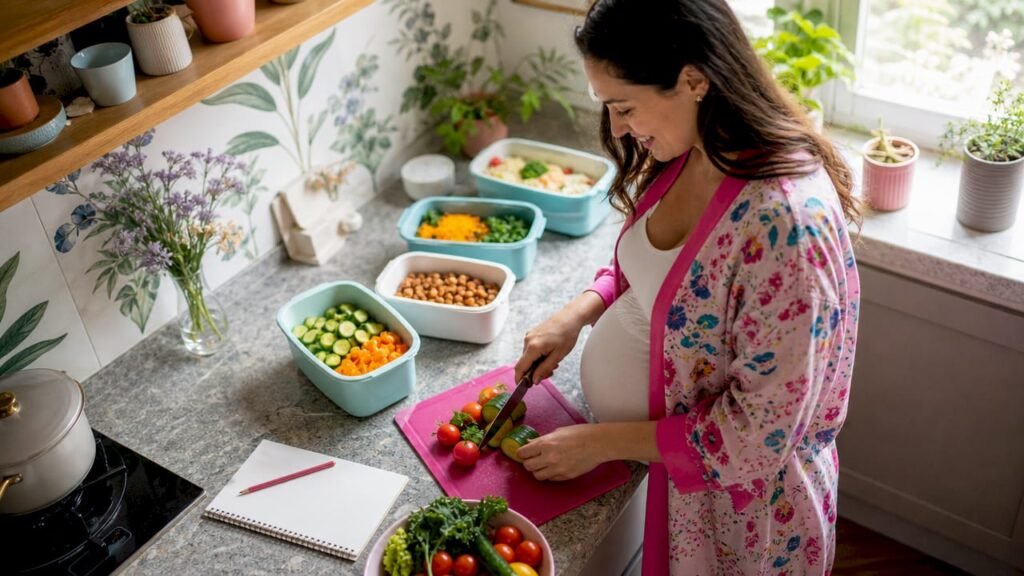
Meal prepping is defined as preparing and portioning meals in advance to ensure consistent, nutrient-rich eating throughout the week. For expectant mothers, this practice directly addresses the most common pregnancy challenges: nausea, fatigue, blood sugar swings, and the near-doubling of nutritional demands. Up to 80% of pregnant women experience nausea during the first trimester alone. Understanding why meal prepping benefits pregnancy means recognizing that spontaneous cooking becomes unreliable when your body is working overtime to grow another human being.
Why meal prepping benefits pregnancy nutrition
Pregnancy nearly doubles the need for key nutrients like iron and folate, and significantly raises demands for calcium and DHA. These are not optional extras. Folate prevents neural tube defects in the first weeks of fetal development. Iron supports the expanded blood volume your body produces. DHA drives fetal brain and eye development. Meeting these needs through random snacking or daily cooking is genuinely difficult, especially when nausea, exhaustion, or food aversions make standing at a stove feel impossible.
Pregnancy shifts the focus from casual eating to deliberate, nutrient-dense planning. Meal prepping removes the daily mental effort of deciding what to eat while still delivering the nutrients your baby needs. You cook once, portion thoughtfully, and eat well for days without making a single extra decision.
Nutrient demands also shift by trimester. The first trimester prioritizes folate and B6. The second and third trimesters increase the need for iron, calcium, and omega-3 fatty acids. A well-structured prep routine accounts for these changes without requiring you to rebuild your entire eating plan each week.
Key nutrients to build your prep around:
- Folate: Dark leafy greens, lentils, fortified cereals
- Iron: Lean red meat, spinach, beans paired with vitamin C for absorption
- Calcium: Greek yogurt, cheese, fortified plant milks
- DHA: Salmon, sardines, DHA-fortified eggs
- Fiber: Oats, sweet potatoes, whole grain bread for digestive support
Pro Tip: Prep a large batch of lentil soup or a spinach and chickpea stew on Sunday. Both are high in folate and iron, freeze well, and reheat in minutes. Pair with a glass of orange juice to boost iron absorption.
How does meal prep help with nausea and fatigue?
Up to 80% of pregnant women experience nausea in the first trimester. Cooking smells, heat, and the effort of standing over a stove are among the most common nausea triggers. This is where a technique called Cold-State Batch Prepping becomes genuinely useful.
Cold-State Batch Prepping means preparing meals during a high-energy window, typically mid-morning or early afternoon, when nausea tends to ease. You focus on cold or room-temperature foods that require minimal cooking: overnight oats, pre-washed fruit, hummus with cut vegetables, cold pasta salads, and yogurt parfaits. These meals produce little to no cooking odor and are ready to eat without reheating.
Fatigue compounds the challenge in the second and third trimesters. By that point, even a 20-minute cooking session can feel draining. Batch cooking during a good-energy day means you have ready meals waiting when energy is low.
| Trimester | Common challenge | Meal prep strategy |
|---|---|---|
| First | Nausea, food aversions | Cold-state prep, low-odor foods, small portions |
| Second | Returning appetite, heartburn | Batch cooking, freezer stash building |
| Third | Fatigue, reduced stomach capacity | Frozen meals, small frequent portions |
Nausea-friendly prep ideas that work well in the first trimester:
- Overnight oats with banana and nut butter
- Pre-portioned crackers with mild cheese
- Cold rice bowls with cucumber and avocado
- Smoothie packs frozen in bags, ready to blend
- Plain baked potatoes stored in the fridge
The concept of “nutritional nesting” takes this further. Visible, accessible healthy foods in the kitchen reduce decision fatigue and support sustained healthy eating when you are tired. Placing prepped snacks at eye level in the fridge, keeping a fruit bowl on the counter, and removing barriers to grabbing something nutritious all reinforce good choices without requiring willpower.
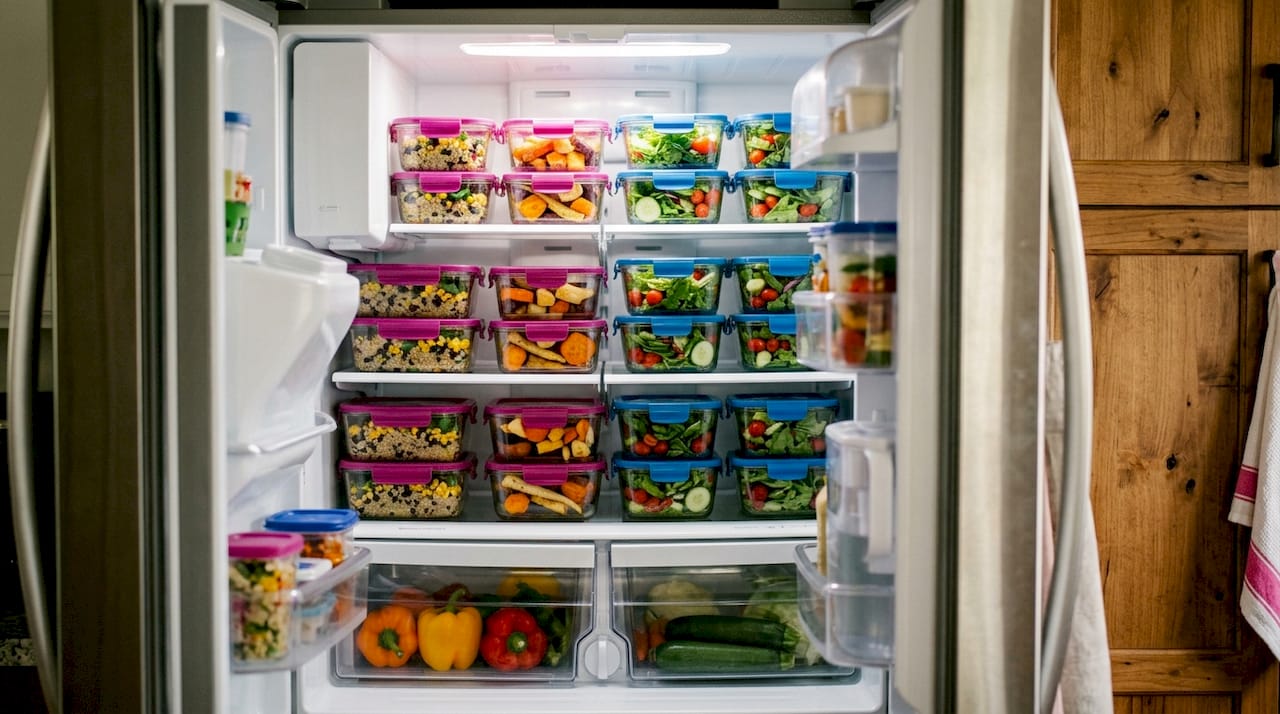
Pro Tip: Prep your snacks in clear containers at eye level in the fridge. When fatigue hits and you need something fast, you will reach for what you can see first.
Does meal prep support blood sugar stability in pregnancy?
Balanced, portion-controlled meals stabilize blood sugar by preventing the spikes and crashes that cause fatigue, irritability, and intense hunger during pregnancy. Blood sugar swings are especially common when meals are skipped or replaced with high-carbohydrate snacks. Gestational diabetes affects a meaningful portion of pregnancies, and consistent meal timing with balanced macronutrients is a frontline strategy for reducing that risk.
Meal prepping makes balanced eating automatic. When your meals are already portioned and ready, you eat at regular intervals without relying on willpower or last-minute food decisions. Consistent, balanced meals help prevent fatigue and extreme blood sugar fluctuations that drain maternal energy.
A balanced prepped meal includes four components working together:
| Meal component | Role in blood sugar stability | Example |
|---|---|---|
| Lean protein | Slows glucose absorption | Grilled chicken, eggs, lentils |
| Complex carbohydrates | Provides steady energy release | Brown rice, sweet potato, oats |
| Healthy fats | Supports satiety and hormone balance | Avocado, olive oil, nuts |
| Fiber-rich vegetables | Slows digestion, reduces spikes | Broccoli, spinach, zucchini |
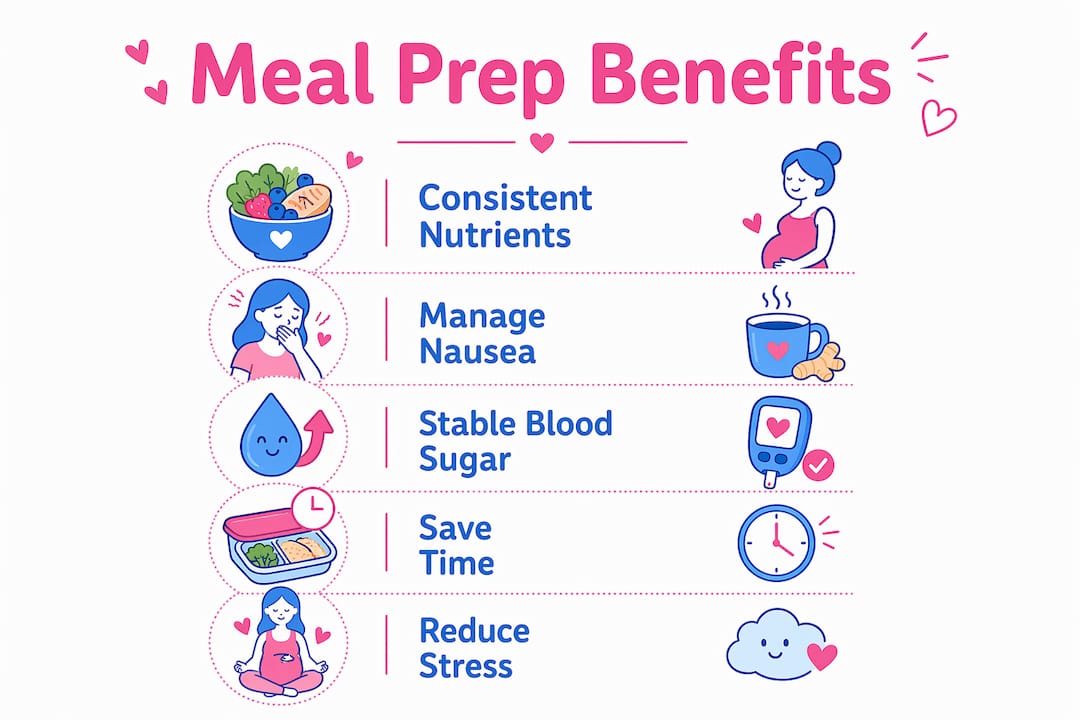
Beyond blood sugar, meal prepping saves time, reduces stress, and can lower food costs through batch purchasing and reduced food waste. Buying ingredients in bulk for the week costs less per meal than buying daily. Less food goes unused when you plan exactly what you need.
Practical meal prep strategies for expectant mothers
A sustainable prep routine starts with your energy, not a rigid schedule. Most expectant mothers find one or two prep sessions per week more manageable than daily cooking. Schedule prep on days and times when you historically feel best, whether that is Saturday morning or Wednesday afternoon.
Building your weekly prep routine
- Plan your meals on Friday or Saturday. Write out five to seven dinners, lunches, and snack options. Keep it simple. Repeating meals is fine.
- Shop with a focused list. Group items by store section to reduce time on your feet. Stick to the list to control costs and waste.
- Batch cook proteins and grains first. A large pot of brown rice, a tray of roasted chicken thighs, and a batch of hard-boiled eggs cover multiple meals.
- Prep vegetables in bulk. Wash, chop, and store raw vegetables in clear containers. They are ready for salads, stir-fries, or snacking without extra effort.
- Build your freezer stash in the second trimester. The second trimester is the ideal time to prepare freezer-friendly soups, stews, and curries for postpartum recovery. Energy improves and nausea decreases, making longer prep sessions realistic.
- Involve your partner or a family member. Partner involvement improves the food environment and reduces the physical and emotional burden on you. Assign chopping, washing, or portioning to someone else.
Flexible recipe ideas that accommodate changing tastes include turkey and vegetable soup, black bean burritos wrapped and frozen individually, baked oatmeal cups, and sheet pan salmon with roasted vegetables. These all reheat well and tolerate ingredient swaps when food aversions shift.
For practical guidance on food prep techniques that make batch cooking faster and more efficient, good knife skills and the right cutting tools make a real difference in how long prep sessions take.
Pro Tip: Label every container with the date and contents. When fatigue hits at 8 p.m., you will not spend five minutes opening lids. You will grab the right meal immediately.
Key Takeaways
Meal prepping benefits pregnancy most when it is built around trimester-specific nutrient needs, consistent blood sugar management, and realistic energy levels.
| Point | Details |
|---|---|
| Nutrient needs nearly double | Plan meals around folate, iron, DHA, and calcium to meet fetal development demands. |
| Cold-state prep reduces nausea | Prepare low-odor, cold meals during high-energy windows to avoid cooking-triggered nausea. |
| Blood sugar stability matters | Balanced meals with protein, fiber, and complex carbs prevent energy crashes and reduce gestational risk. |
| Second trimester is prep prime time | Use improved energy to build a freezer stash that supports postpartum recovery. |
| Partner involvement reduces burden | Shared prep responsibilities improve the food environment and lower maternal stress. |
What I have learned from watching first-time mothers meal prep
The mothers who benefit most from meal prepping are not the ones with the most elaborate plans. They are the ones who start small and stay consistent. I have seen expectant mothers spend an entire Sunday building color-coded meal plans, only to abandon them by week two because the system was too demanding. The ones who thrive prep three or four items on a Tuesday afternoon and call it done.
What surprises first-time mothers most is how much mental relief comes from having food ready. The decision fatigue around eating during pregnancy is real and underestimated. When you are nauseous, exhausted, and trying to remember whether you have had enough iron today, the last thing you need is to figure out dinner from scratch. A fridge stocked with prepped meals removes that pressure entirely.
The emotional side of food during pregnancy also matters more than most guides acknowledge. Eating well should feel supportive, not like another task on a list. When a partner shares the prep work, the whole dynamic shifts. Food becomes something you do together, not a solo obligation. That shift in tone makes it far easier to maintain good habits through all three trimesters and into the postpartum period.
My honest recommendation: start with just two prepped meals and two snack options per week. Build from there as your confidence and energy allow. Perfection is not the goal. Consistency is.
Personalized pregnancy support from Boy or Girl
Knowing the benefits of meal planning during pregnancy is one thing. Having the right tools and guidance to put it into practice is another.

Boy or Girl offers expectant mothers access to personalized diet plans built around the specific nutritional needs of each trimester. Whether you are navigating first-trimester nausea or building your postpartum freezer stash in the second trimester, the platform connects you with expert advice and a supportive community of mothers who understand exactly what you are going through. You also get access to forums where real mothers share meal prep ideas, recipes, and encouragement. Healthy eating during pregnancy does not have to be a solo effort. Boy or Girl is here to walk through it with you.
FAQ
Why does meal prepping benefit pregnancy specifically?
Meal prepping benefits pregnancy by ensuring consistent intake of critical nutrients like folate, iron, and DHA at a time when nutritional needs nearly double. It also reduces the daily decision fatigue that worsens nausea and exhaustion.
What are the best meal prep ideas for the first trimester?
Cold, low-odor foods work best in the first trimester. Overnight oats, smoothie packs, cold rice bowls, and pre-portioned crackers with cheese are nausea-friendly options that require minimal cooking.
How does meal prep support prenatal health beyond nutrition?
Meal prepping stabilizes blood sugar, reduces stress, lowers food costs through bulk purchasing, and cuts food waste. These combined benefits support both physical and emotional well-being throughout pregnancy.
When should I start building a postpartum freezer stash?
The second trimester is the best time to build a freezer stash. Energy improves and nausea decreases, making longer batch cooking sessions realistic. Soups, stews, and curries freeze well and reheat quickly after delivery.
How can I meal prep when I have no energy?
Schedule prep sessions during your highest-energy window of the day, typically mid-morning. Focus on simple tasks like washing vegetables, portioning snacks, and batch cooking one protein. Even 30 minutes of prep reduces the daily cooking burden significantly.
Visita nuestras redes sociales
Best SheBirth.com Alternatives for Pregnancy Support

Pregnancy Partner Support Tips and Examples That Work

Amniocentesis Gender Detection: Accuracy, Risks, and What to Expect

How to Download Pregnancy Platform Progress Reports
Why Pregnancy Trimesters Are Divided: A Clear Medical Guide

Pregnancy Budget Planning Checklist for Expectant Parents